
Homeopathic 101: Understanding the Basics
The Origins of Homeopathy
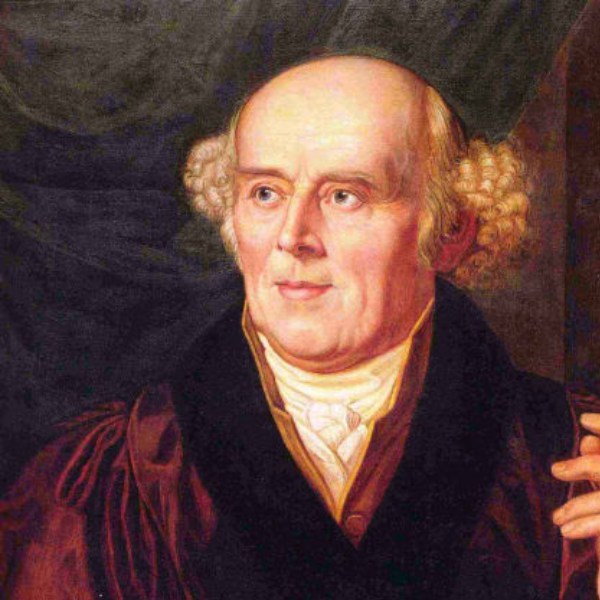
Homeopathy was developed in the late 18th century by Samuel Hahnemann, a German physician. Disillusioned with the harsh medical practices of his time, Hahnemann began experimenting with the effects of various substances on the human body. His observations led him to formulate the law of similars, or "similia similibus curentur," which became the foundation of homeopathic medicine.
Key Principles of Homeopathy
-
Law of Similars: This fundamental principle asserts that substances that produce symptoms in a healthy individual can be used to treat similar symptoms in a sick person. For example, a homeopathic remedy made from onion (Allium cepa) might be used to treat symptoms of a cold, such as a runny nose and watery eyes, which are similar to the effects of cutting an onion.
-
Minimum Dose: Homeopathy uses highly diluted substances to trigger the body’s healing response. The process of dilution involves repeatedly diluting and shaking the substance, a process known as potentization. Despite the high dilution levels, proponents believe that the essence or energy of the original substance remains and is effective in treating illness.
-
Individualized Treatment: Homeopathy takes a holistic approach to treatment, considering the individual's physical, emotional, and mental states. Practitioners tailor remedies to each person's unique symptoms and overall health, rather than treating a disease in isolation.
Homeopathic Remedies
Homeopathic remedies are derived from natural sources, including plants, minerals, and animals. These substances undergo a meticulous process of dilution and potentization. Remedies are typically administered in the form of small pellets, tablets, liquids, or creams.
Common Remedies and Their Uses
- Arnica Montana: Often used for bruising, muscle soreness, and injuries.
- Belladonna: Employed for sudden fevers, headaches, and inflammation.
- Chamomilla: Known for its calming effects, it's commonly used for teething in children and irritability.
- Nux Vomica: Utilized for digestive issues, hangovers, and stress-related conditions.
How Homeopathy is Practiced
A homeopathic consultation usually involves a thorough assessment of the patient's health, lifestyle, and emotional state. The practitioner will ask detailed questions to understand the patient's symptoms and how they manifest uniquely in that individual. Based on this information, a customized remedy is prescribed.
Controversies and Criticisms
Despite its popularity, homeopathy is a subject of debate and controversy within the medical community. Critics argue that the high dilution levels of homeopathic remedies render them ineffective, as they often contain little to no molecules of the original substance. Scientific studies on homeopathy have produced mixed results, with some suggesting benefits beyond the placebo effect, while others find no significant efficacy.
Conclusion
Homeopathy remains a widely used alternative medical system, embraced by millions of people worldwide for its gentle, individualized approach to healing. Whether you are a staunch supporter or a curious skeptic, understanding the basic principles and practices of homeopathy can provide insight into this enduring and often polarizing form of medicine.